Should I Get My RPAL?

“Should I get my RPAL?” is one of the most common questions we hear at Range Arts. People ask it in emails before booking courses and just as often in person on the day of their PAL course.
Our usual answer is simple:
“If you’re on the fence about it, do it.”
Below we’ll explain why that’s our go-to response and help you decide whether an RPAL makes sense for you.
“Why bother with an RPAL if there isn’t much left to access?”
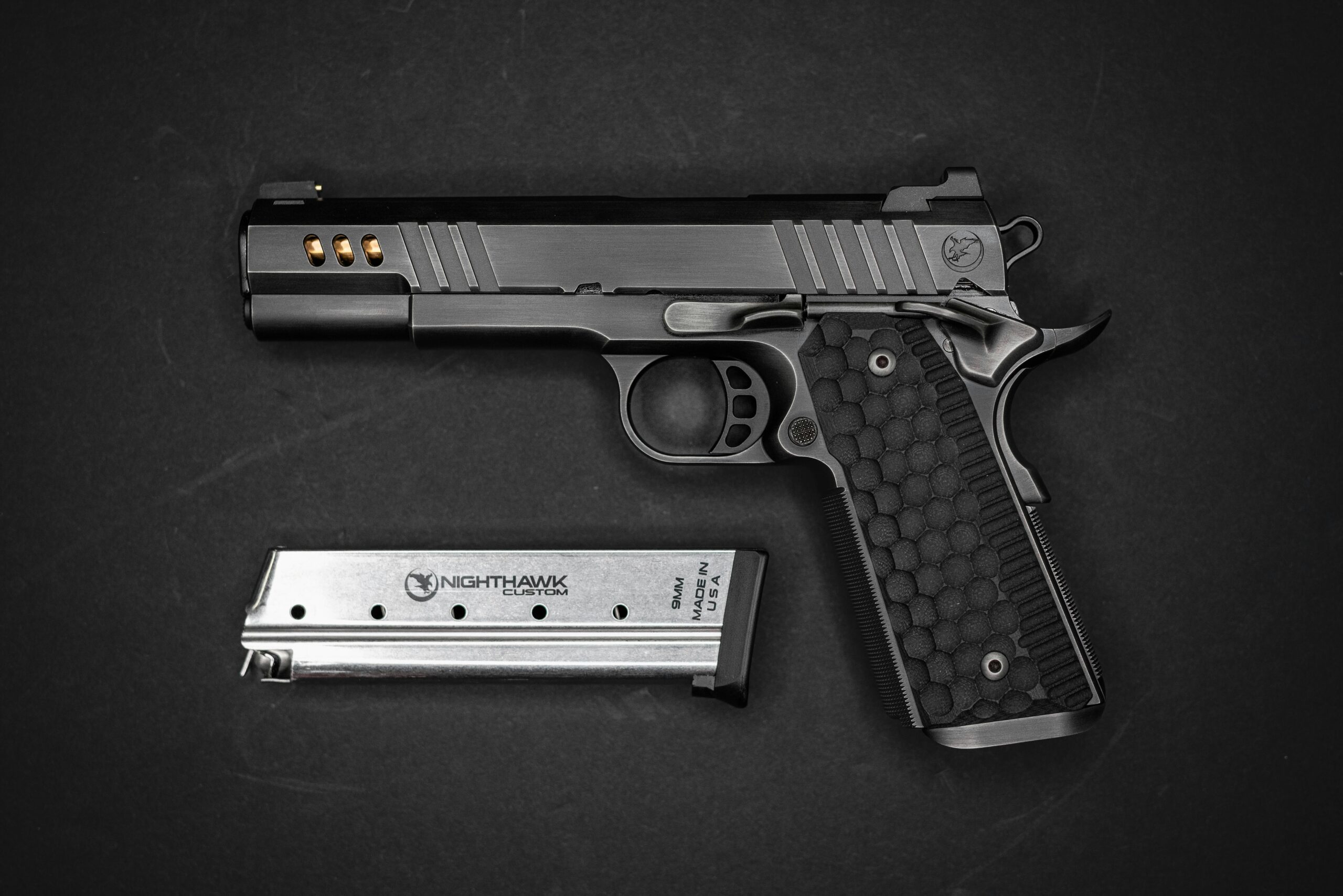
That’s usually the next question. An RPAL allows the holder to acquire, possess, and use—without supervision—restricted firearms. Traditionally these were firearms with:
- a barrel length under 18.5 inches,
- an overall length under 26 inches, or
- firearms specifically named as restricted by regulation.
Restricted firearms also come with additional transport and storage requirements and can only be used at CFO-approved ranges or with special permission.
In recent years many firearms from both the non-restricted and restricted categories have been moved into the prohibited class. As a result, the restricted category has become much smaller, and many people are understandably skeptical about the value of the licence.
The Handgun Factor
For a long time the main reason people pursued an RPAL was simple: handguns. Many clients wanted to learn to shoot specifically because they were interested in pistol sports and training.
That changed in October 2022 when the federal government introduced a “transfer freeze” on handguns, later codified in Bill C-21. Functionally this means Canadians can no longer buy, sell, or gift handguns to one another. Because all legally owned handguns are registered, the freeze prevents them from changing hands. Existing owners may still use their handguns, but unless you fall into a very narrow exempt category, you cannot acquire one today.
In the months leading up to the freeze, Canadians purchased several years’ worth of handgun inventory in a very short period. The result was a sudden surge in licensed ownership, which has had no impact on public safety, undermining the stated purpose of the freeze in the first place.
So Why Get an RPAL Now?
Despite the freeze, interest in RPALs hasn’t disappeared. There are still practical reasons to consider one.
1. Range Rentals
Ranges can still purchase and maintain handguns, and RPAL holders are permitted to use them on site. We work closely with Down Range Sports, a new state-of-the-art range in Mississauga that offers handgun rentals to members on both daily and annual plans. Many other ranges continue to operate similar programs, allowing shooters to experience handguns without owning one.
2. Shooting with Friends
If you don’t have an RPAL, you may only shoot a friend’s handgun under their direct and immediate supervision—meaning they must remain right beside you and maintain full control. With your own RPAL, you can handle the firearm independently, making the experience more relaxed and practical for both of you.
In some cases the CFO will also issue a time-limited Authorization to Transport (ATT) so you can borrow a friend’s handgun for competition or training. This has helped keep disciplines like IPSC, IDPA, and 3-Gun alive.
3. Range Membership Requirements
Some ranges prefer—or require—all members to hold RPALs so they don’t need to monitor who is using which firearm. If you’re planning to join a club, it’s worth checking their specific licence policies.
4. Training Value
There are two Canadian Firearms Safety Courses for a reason—you simply can’t cover everything in one day. The RPAL course exposes you to additional knowledge and skills that are valuable even if you never plan to own a restricted firearm. It’s also far cheaper to take both courses upfront than to upgrade later.
A Community Built on Training
Even if you never plan to own a handgun, holding an RPAL represents a higher level of training and understanding. At a time when the firearms community is often misunderstood, well-trained, licensed owners are the strongest demonstration that shooting sports in Canada are rooted in safety, responsibility, and respect for the law. Expanding that culture benefits everyone who enjoys the range, hunting, and shooting disciplines—regardless of what firearms they personally choose to own.
5. Keeping Options Open
Maybe today you only hunt with long guns and have no interest in handguns. That’s perfectly fine. But circumstances—and laws—change. Holding an RPAL keeps doors open for the future and ensures you’re fully trained should opportunities arise.
The Bottom Line
We always encourage people to do what’s right for them.
- If you plan to hunt exclusively, a PAL may be all you ever need.
- If you want flexibility, additional training, or the ability to participate in range programs and shooting sports, getting your RPAL now makes the most sense.
When someone is already thinking about it, there’s usually a reason. That’s why we say:
“If you’re tempted—just do it.”
You can book your Upgrade To RPAL (CRFSC) here.